Skip to main content Skip to search Skip to main navigation
Menu

Custom Flat Steel – Flat Bar for Construction & Engineering

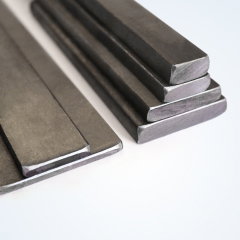
Flat steel is a solid steel profile with a flat, rectangular cross-section and can be used in a wide range of metalworking, mechanical engineering, construction and workshop applications. At diconfa, you can order flat steel cut to size in various widths and material thicknesses – cut to the required length.

Filter products
1 Product
Flat Steel – Flat Bar S235JR ST37
MATERIAL: Flat iron, flat steel or rectangular steel profile made from S235-JR // ST37 // 1.0038

From €2.63
Product Quantity: Enter the desired amount or use the buttons to increase or decrease the quantity.
Can't find the right product?
Customized solutions tailored to your requirements – fast, precise, and reliable.
Inquire now
Versandkostenfrei ab 20 € Bestellwert

Secure payment methods

Schnelle Lieferzeit

Fast delivery time

Direkt ab Lager bestellen

Order directly from stock

14 Tage Rückgaberecht

14 days right of return

Flat Steel as a Versatile Steel Semi-Finished Product

Flat steel is one of the classic semi-finished products for construction and further processing. Its characteristic feature is the solid rectangular cross-section, in which the width is significantly greater than the material thickness. This allows the material to be used, for example, as a bracket, reinforcement, connecting element, frame component or as starting material for individually manufactured components.

The term flat iron is often used synonymously in everyday language and product searches. Technically, however, the products offered today are steel semi-finished products, which is why flat steel is the more appropriate term.

Flat Steel Made from S235 JR

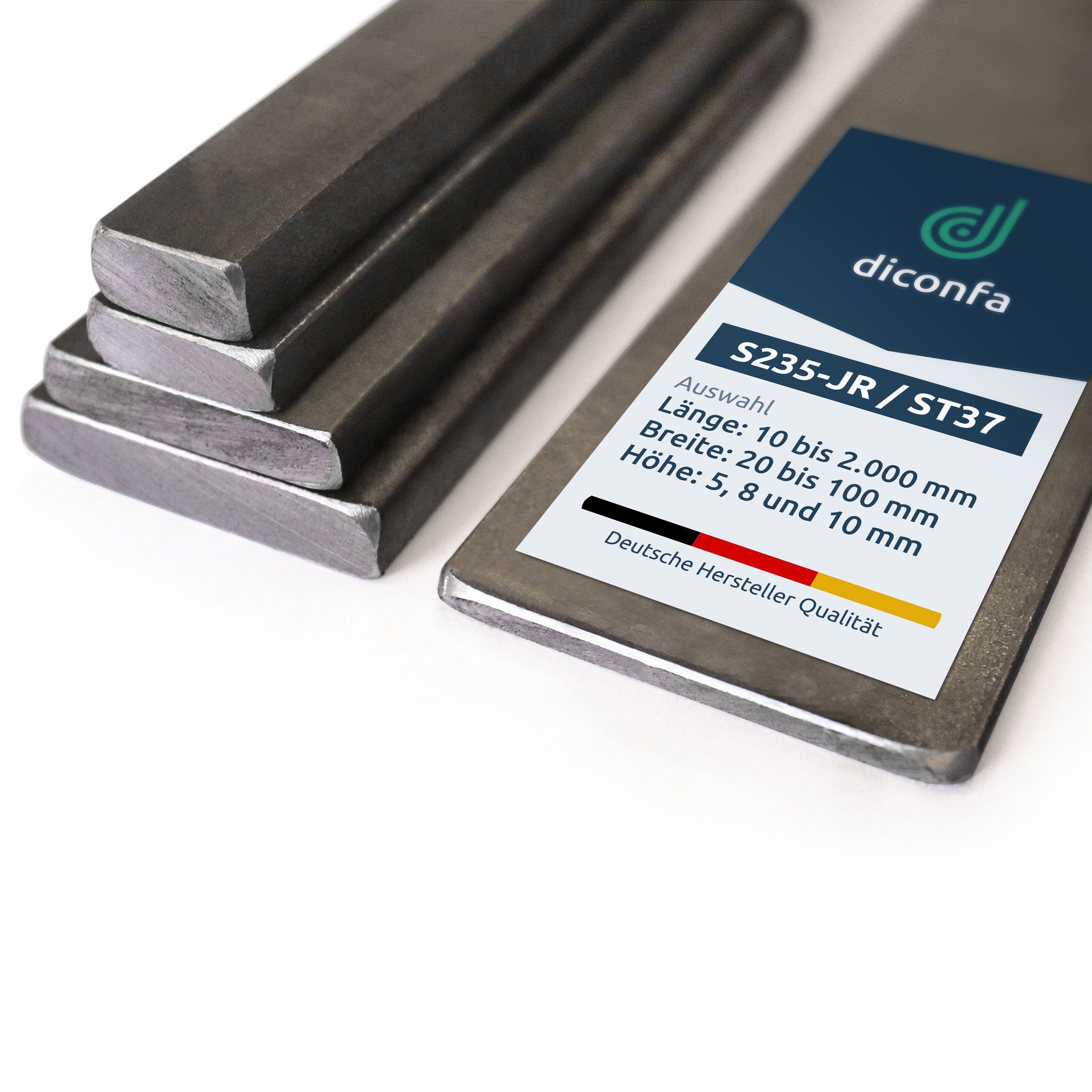
diconfa currently offers flat steel made from S235 JR or 1.0038. The material is also known by the former designation ST37. The version offered is hot-rolled, untreated and suitable for numerous classic steel construction, metalworking and general construction applications.

Depending on the dimensions and application, the material can be sawn, drilled, formed and welded, among other processes. The specific technical properties and processing information can be found directly on the product page.

Raw Surface for Further Processing

The current flat steel is supplied as untreated raw material. Due to production and storage conditions, the surface may therefore show typical characteristics of hot-rolled steel. For applications where permanent corrosion protection or a specific appearance is required, a suitable surface treatment can subsequently be applied.

Which coating or treatment is appropriate depends on the later use and the environmental conditions.

Where Is Flat Steel Used?

The flat geometry makes flat steel a versatile starting material for technical, craft and construction projects. Typical applications include, for example:

  • steel and metal construction
  • mechanical and plant engineering
  • frames and substructures
  • brackets and fastening elements
  • reinforcements and tabs
  • railings, gates and fences
  • vehicle and trailer construction
  • metalworking shops and workshops
  • furniture and interior construction
  • repairs and individual DIY projects

Whether a particular flat steel is suitable for a specific construction depends, among other things, on the material, cross-section, load and intended further processing.

Custom Flat Steel for Precise-Fit Constructions

Different cross-sections and lengths are required depending on the project. Instead of cutting a long standard bar yourself, flat steel can be configured at diconfa to suit the intended application. This makes further processing easier and reduces unnecessary offcuts.

For the flat steel currently available, different combinations of width and material thickness as well as individually selected cut lengths are available. The available dimensions are shown directly in the product configurator.

Processing and Further Working of Flat Steel

Flat steel is often used not as a finished component, but as a starting material for further manufacturing. Depending on the project, the material can, for example, be drilled, sawn, welded, bent or otherwise processed.

The S235 JR flat steel currently offered is suitable for various classic processing methods. For components subject to structural or safety-related loads, however, the material, dimensions and processing methods should always be specified in accordance with the technical requirements.

Choosing the Right Flat Steel

Width and Material Thickness

The cross-section of flat steel is defined by its width and thickness or material thickness. Which combination is required depends on the intended construction and the loads involved.

Various widths and material thicknesses are available for the current diconfa flat steel. The available options in the respective product configurator are decisive for ordering.

Length to Suit the Project

In addition to the cross-section, the required length also plays an important role. A custom-cut flat steel section can be useful, for example, when several components of the same length are required or when the material is to be processed further with as little additional cutting as possible.

Consider the Material and Surface

Not every flat steel product automatically has the same properties. In addition to the dimensions, the specific steel grade, manufacturing method and surface should therefore also be taken into account. The current diconfa range in this category consists of hot-rolled S235 JR. Additional materials or versions may be added to the category in the future.

Flat Steel or Square Steel?

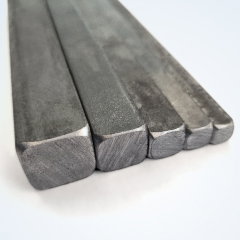
Flat steel and square steel are both made from solid material, but differ in their geometry. Flat steel has a flat rectangular cross-section. Square steel, on the other hand, has a square cross-section with equal width and height.

Flat steel can be particularly practical for flat reinforcements, tabs, brackets or flat frame components. If a uniform solid square profile is required, square steel is a suitable choice.

Flat Steel within the Rectangular Profiles Category

At diconfa, flat steel will form part of the solid rectangular profiles category. This category groups together metal semi-finished products with rectangular or square solid cross-sections and distinguishes them according to their respective profile shape.

You can find an overview of flat and square profiles in the parent category Rectangular Profiles. Further shapes and metal semi-finished products can be found under Custom Metals.

Frequently Asked Questions about Flat Steel

Flat steel is a solid steel semi-finished product with a flat, rectangular cross-section. It is commonly used in metalworking, mechanical engineering and construction, as well as a starting material for individually manufactured components.

Yes – flat steel is generally easy to weld, depending on the specific grade. Our standard products are suitable for common welding processes such as MIG, MAG, or TIG.

Yes. At diconfa, you can choose the current flat steel in different cross-sections and have it cut to the required length. The available dimensions are shown in the product configurator.

diconfa currently offers hot-rolled flat steel made from S235 JR or 1.0038. The material is also known by the former designation ST37.

For the product currently offered, widths from 20 to 100 mm and material thicknesses of 5, 8 and 10 mm are available. The length can currently be configured between 10 and 2,000 mm.

Typical applications include frames, brackets, tabs, reinforcements, railings, substructures as well as components used in metalworking, mechanical engineering, vehicle construction and workshops.

The S235 JR flat steel currently offered is described by diconfa as easy to process and weld. For structurally relevant components, the appropriate welding process and the technical requirements of the construction must be taken into account.

Untreated steel does not have permanent corrosion protection. Depending on the application, a suitable surface treatment may therefore be required, particularly in humid conditions or outdoor applications.

Flat steel has a rectangular cross-section in which the width is greater than the material thickness. Square steel, on the other hand, has a square cross-section with equal width and height.

The flat steel currently offered is cut to the selected length. According to the product information, the cut edges are deburred on both sides; the material itself is supplied raw and untreated.