
Secure payment methods

Fast delivery time

Order directly from stock

14 days right of return
Frequently Asked Questions about Anti-Slip Mats
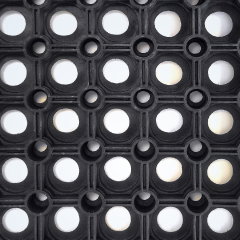
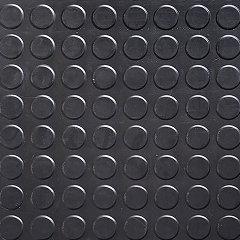
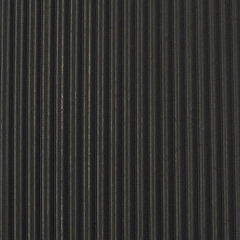
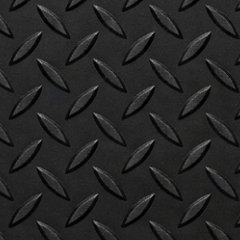
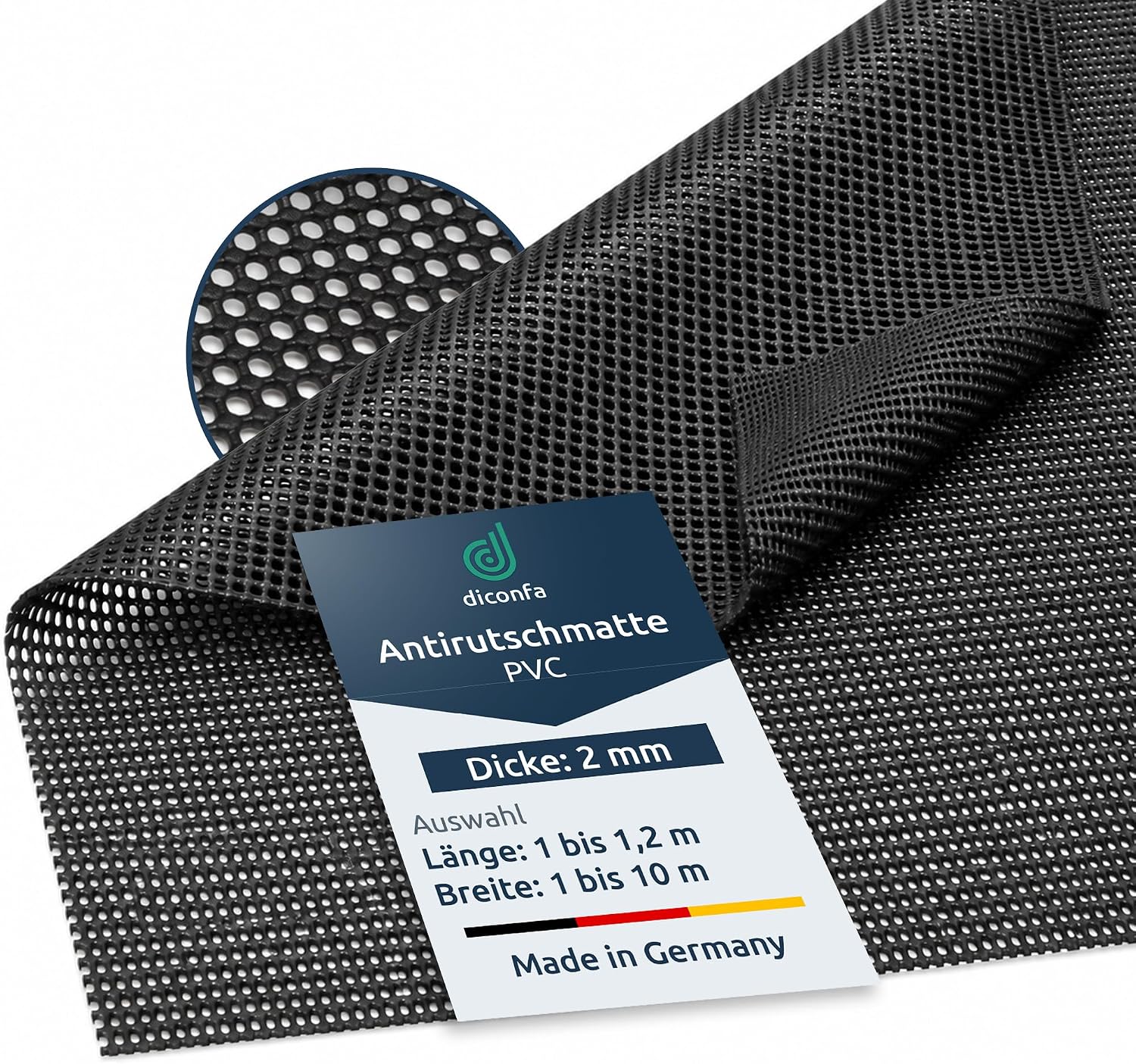
The primary function of an anti-slip mat is to increase friction between two surfaces in order to prevent objects or people from slipping or shifting. Its areas of application are diverse:
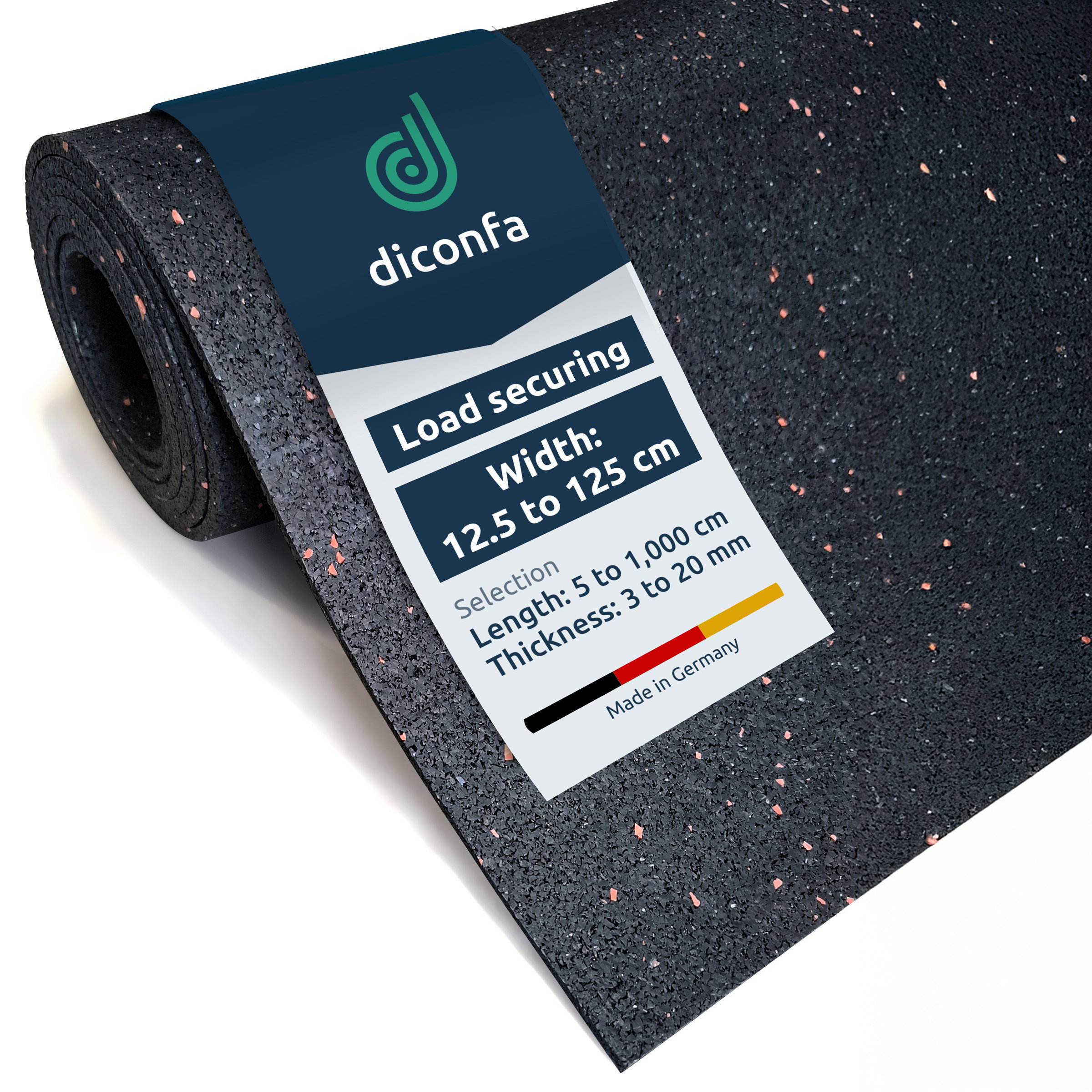
- Load securing: Used as a certified underlay on truck beds and in containers to improve friction coefficients in accordance with VDI 2700.
- Workplace safety: Placed near machines or counters to protect standing personnel from slipping.
- Home and hobby: In shelves, drawers, or car trunks to keep items securely in place.
Slip resistance is measured by the coefficient of friction (µ). Our anti-slip mats are generally made from high-density rubber granulate, as this material provides a very high coefficient of friction. This is particularly important when the mat is used for professional load securing, ensuring the necessary stability during braking or cornering.
Yes, to maximize safety and efficiency, we offer our anti-slip mats cut to size. Especially in load securing, a precise fit is essential. You can specify the required lengths and widths in the configurator to avoid material waste and optimize coverage.
Yes. Many of our anti-slip mats are made from durable rubber granulate or solid rubber that is weather-resistant, UV-resistant, and rot-proof. This allows them to be used on outdoor stairs, ramps, or as temporary protection on wet loading areas, while maintaining slip resistance even in damp conditions.
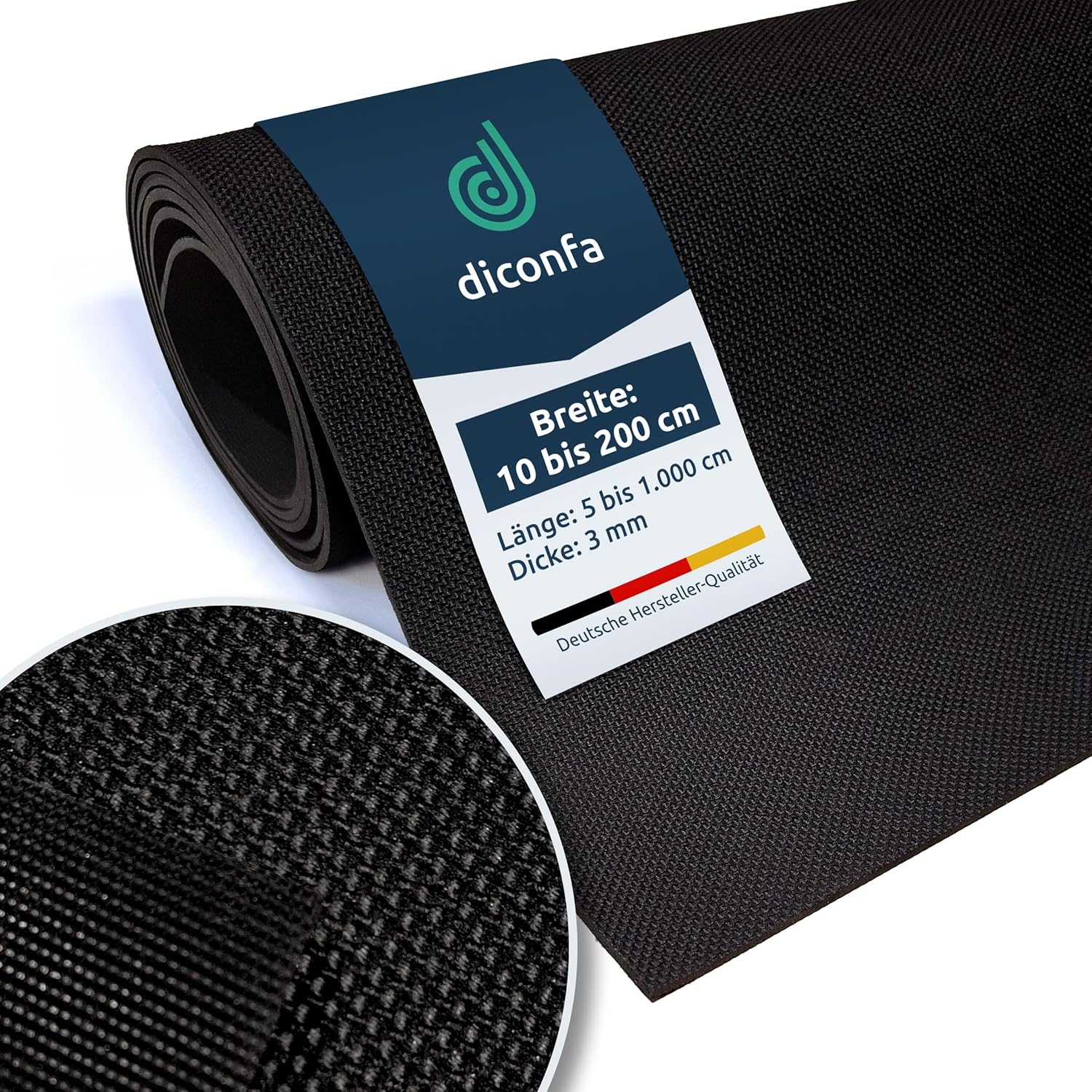
For load securing, not only the thickness but above all the compressive strength is crucial. A thin mat (e.g. a 3 mm anti-slip mat) is often sufficient if the load is evenly distributed and the floor surface is not sensitive.

Thank you for subscribing!
You have just subscribed to our newsletter. To complete the registration, check your email inbox for our confirmation mail and click the link inside.
Stay up to date and get 5% off*!
Receive regular insights into new products, practical and new features, and technical developments. Benefit from real innovations and quality – Made by diconfa.
No spam – only relevant updates.
No spam – only relevant updates. Unsubscribe anytime.
*By signing up for the newsletter, you will receive 5% off your next purchase at diconfa.de after confirming your subscription.